How a strategic paid social campaign expanded global reach for a leading medical conference
Background
The Royal College of Anaesthetists (RCOA) is the third largest medical royal college in the UK. Its members work across the specialties of anaesthesia, intensive care and pain medicine, helping ensure high standards of patient care across the healthcare system.
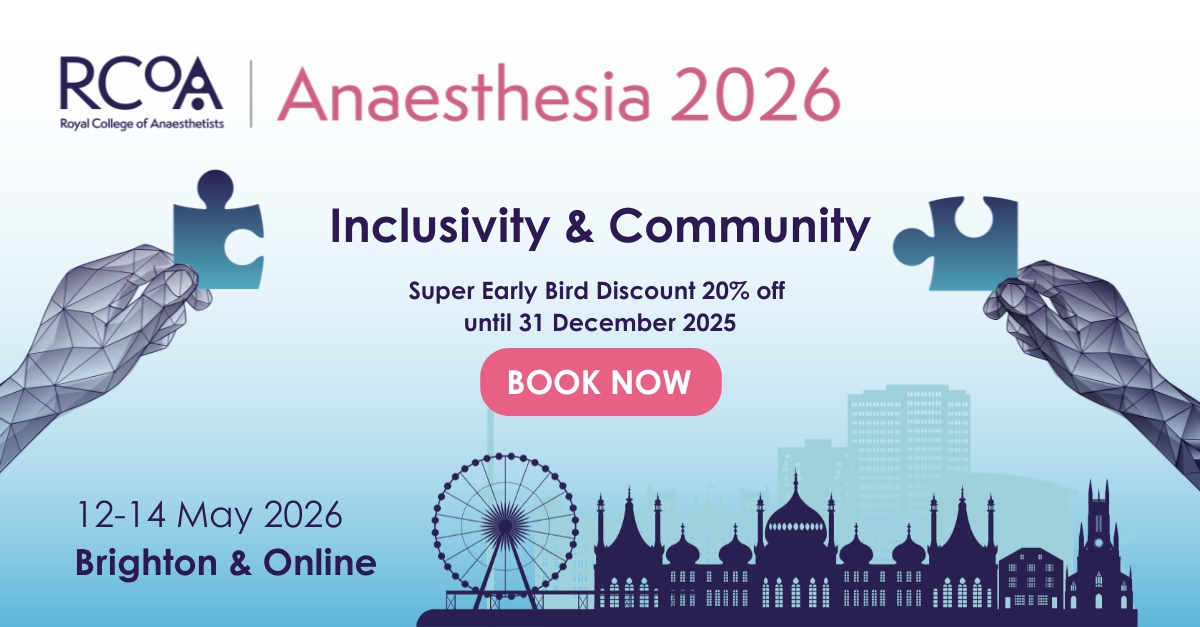
Each year, the College hosts its Annual Anaesthesia Conference, a three-day event that brings together clinicians, researchers and healthcare professionals from around the world.
Registrations for the conference were already strong through the College’s existing marketing channels and membership network. However, the team wanted to expand the event’s reach further, attracting delegates from outside their immediate audience and introducing the conference to the wider global anaesthesia community.
The Goal
The goal for this campaign was clear, use paid social media strategically to reach new professional audiences and drive additional conference registrations.
The campaign needed to focus on reaching the right healthcare professionals — both those who already knew the Royal College of Anaesthetists and those working in the wider anaesthesia community who might not yet be connected to the College.
That meant being thoughtful about audience targeting, messaging and how the campaign would be measured from the start.
The Strategy
Force 4 Events designed a campaign using both Meta and LinkedIn, recognising that each platform plays a different role in reaching professional audiences.
Rather than relying on one channel, the strategy used each platform for what it does best.
META ADVERTISING
Meta was used to maximise visibility and engagement, helping the conference reach a broad audience of healthcare professionals.
The focus was on:
- Broad audience reach
- Lower ad frequency across a larger audience
- Content designed to drive interaction and awareness
LINKEDIN ADVERTISING
LinkedIn allowed the campaign to target healthcare professionals more precisely within their professional environment.
The focus here was on:
- Professional targeting by job role and industry
- Higher frequency within a smaller, highly relevant audience
- Reaching clinicians directly within their professional network
By combining both platforms, the campaign balanced scale and precision, ensuring the event appeared in front of both familiar audiences and entirely new professional networks.
Another important part of the strategy was avoiding ad fatigue.
Rather than relying on a single advert running unchanged for months, the campaign used a mix of creative formats and messaging tailored to each platform.
Carousel ads, single images and video content were tested throughout the campaign to showcase the different aspects of the conference and keep the ads engaging for the audience.
Performance data was monitored throughout the campaign, and adjustments were made along the way. Audience targeting was refined and ad performance reviewed regularly to ensure the ads were reaching the most relevant healthcare professionals.
Campaign Results
The campaign delivered strong measurable results across both platforms.
Healthcare professionals reached worldwide
%
Click-through rate across campaigns
New social media followers generated
Both platforms played an important role in achieving these results.
Meta generated strong engagement through reactions, shares and comments, supported by an audience already familiar with the College’s brand.
LinkedIn, meanwhile, delivered significant professional network growth.
During the three months following the launch of the campaign, the College’s LinkedIn page gained 1,207 new followers, representing nearly a 10% increase in page followers.
Strategic Insight
The success of this campaign came from recognising the different roles social platforms play within the event marketing funnel.
Meta helped maximise visibility and engagement, ensuring the event appeared in front of a wide audience quickly.
LinkedIn provided precise professional targeting, allowing the campaign to reach clinicians and healthcare professionals directly within their industry network.
By combining both platforms, the campaign balanced awareness and professional relevance, increasing the likelihood that the right people would see the event promotion.
The Outcome
By taking a more deliberate and value-driven approach to paid social media, the Royal College of Anaesthetists expanded the reach of its flagship conference beyond its existing membership audience.
The result was a campaign that didn’t just promote the event, but highlighted the depth of value behind it, bringing the conference to the attention of a wider global community of clinicians and healthcare professionals.
It demonstrated how paid social media, when actively managed and creatively executed, can amplify the months of work that go into building a high-quality professional event.
Planning an Event Campaign?
If you’re planning a conference or professional event and want to explore how paid social media could support your event registration and audience growth strategy, the Force 4 Events team can help.